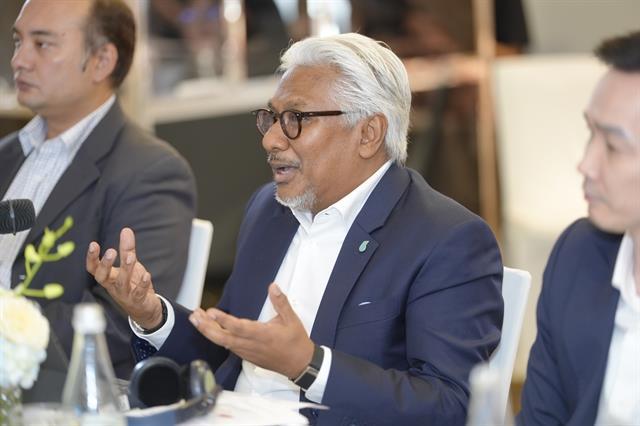
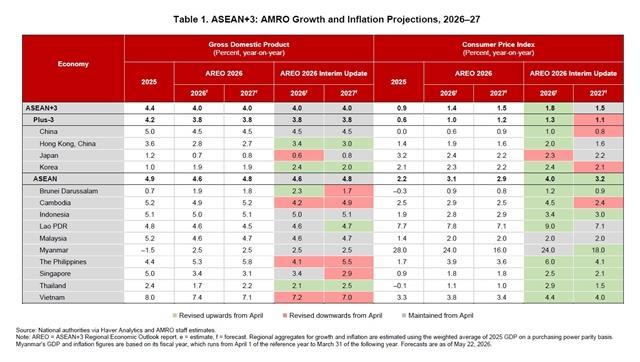
Inflation in 2026 is forecast to edge up to 3.5 per cent, still below the National Assembly’s target, though double-digit growth and exchange rate pressures will demand cautious policies, experts said in Hà Nội on Monday.
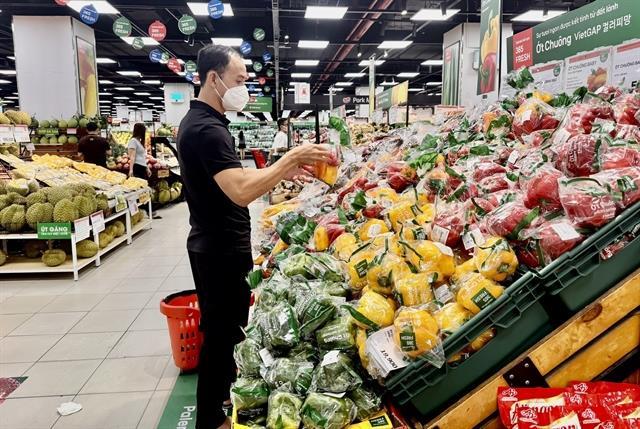
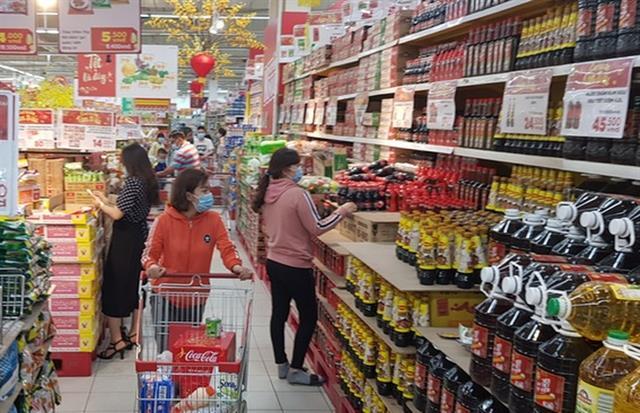
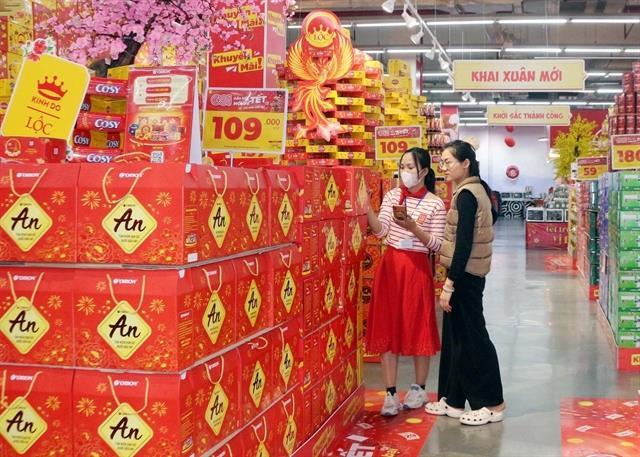
The Ministry of Finance has asked price management to be enhanced ahead Tết (Lunar New Yeat) to prevent abnormal fluctuations during the peak holiday period.
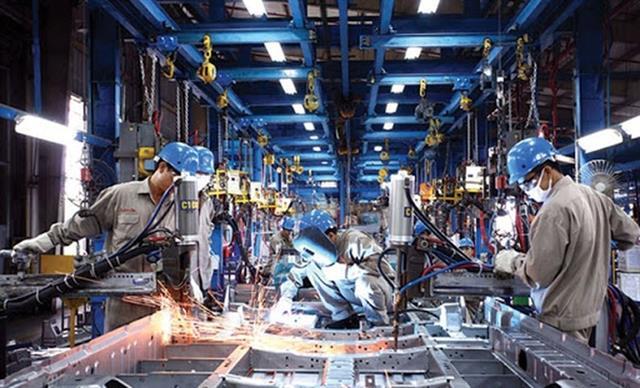
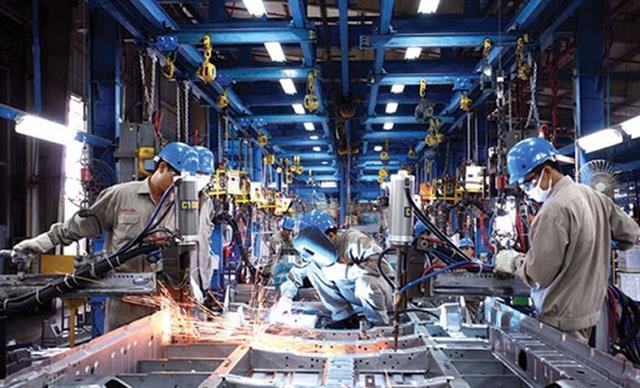
Việt Nam’s manufacturing sector ended 2025 on a strong note, with PMI data showing sustained expansion, rising output and growing optimism among producers despite lingering supply disruptions and higher input costs.
It is still necessary to be cautious about the risks of local price increases in some speculative areas such as real estate, gold, silver, or some rare raw materials, as this increase can trigger expected inflation, creating pressure on the...
Escalating trade tensions stemming from US tariff policies are likely to slow the global economy, posing serious risks for Việt Nam’s export sector and overall production
Titled “Made in Vietnam: le nouvel atelier du monde” (Made in Việt Nam: The new workshop of the world), the report highlighted the country’s rapid industrial transformation.
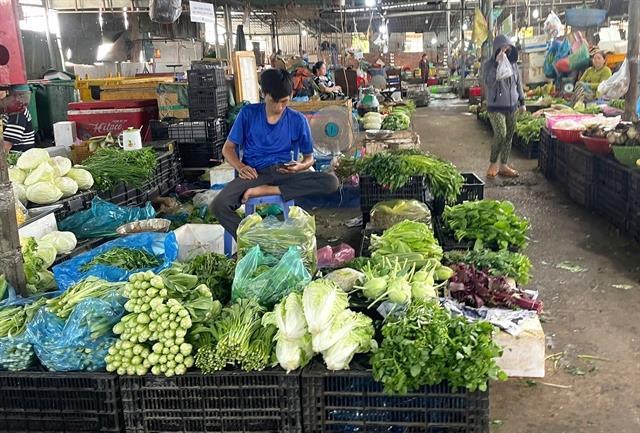
Such factors as adjusted healthcare fees, and higher transportation costs and food prices led to a 0.98 per cent rise in the Consumer Price Index (CPI) in January.
Experts predict Việt Nam''s inflation rate this year may reach 4 to 4.5 per cent, exceeding the 2023 rate due to sharp global increases in energy and food prices.
The State Bank of Vietnam (SBV) will manage interest rates in accordance with macroeconomic balance and inflation in the second half of 2024 to ensure macroeconomic stability and inflation control, an SBV official said on Tuesday.
The inflationary pressure is not significant in the second half of this year, Nguyễn Đức Độ, Deputy Director of the Institute of Economics and Finance said. The inflationary drivers in the first half of this year mainly came from the...
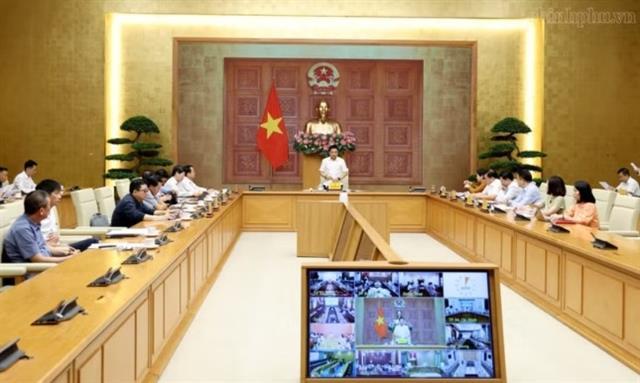
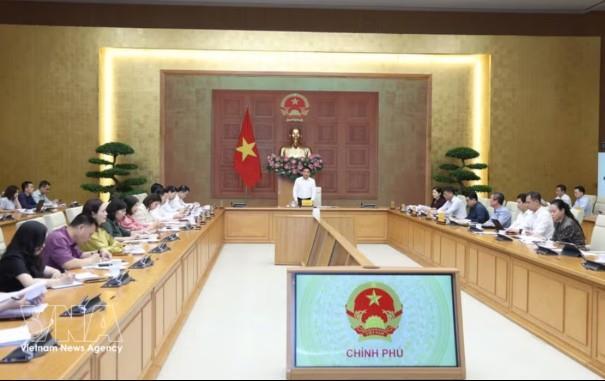
As Tết (Lunar New Year) holidays are coming near, Deputy PM Khái urges enhanced price management to ensure adequate supply of goods and services as well as stabilising prices.
If conditions allowed, prices of several goods and services under the State management could be adjusted following the roadmap at the appropriate points of time.